
By Peyman Sabri · Last updated 2026-10-31
Choose motion design when the thing people need to understand can’t be filmed. Choose live action when the message depends on real people, real places or trust. Most of the time the strongest film uses both: filmed people for credibility, and motion to explain what the camera cannot see.
I’m Peyman Sabri, a Stockholm-based content producer and motion designer at Peyman Sabri Media. I work with both live action and motion design, so I don’t need to argue for one of them. The question is always what the audience needs to understand, and which tool gets them there.
When does live action win?
Live action wins when the viewer needs to believe something about people or places.
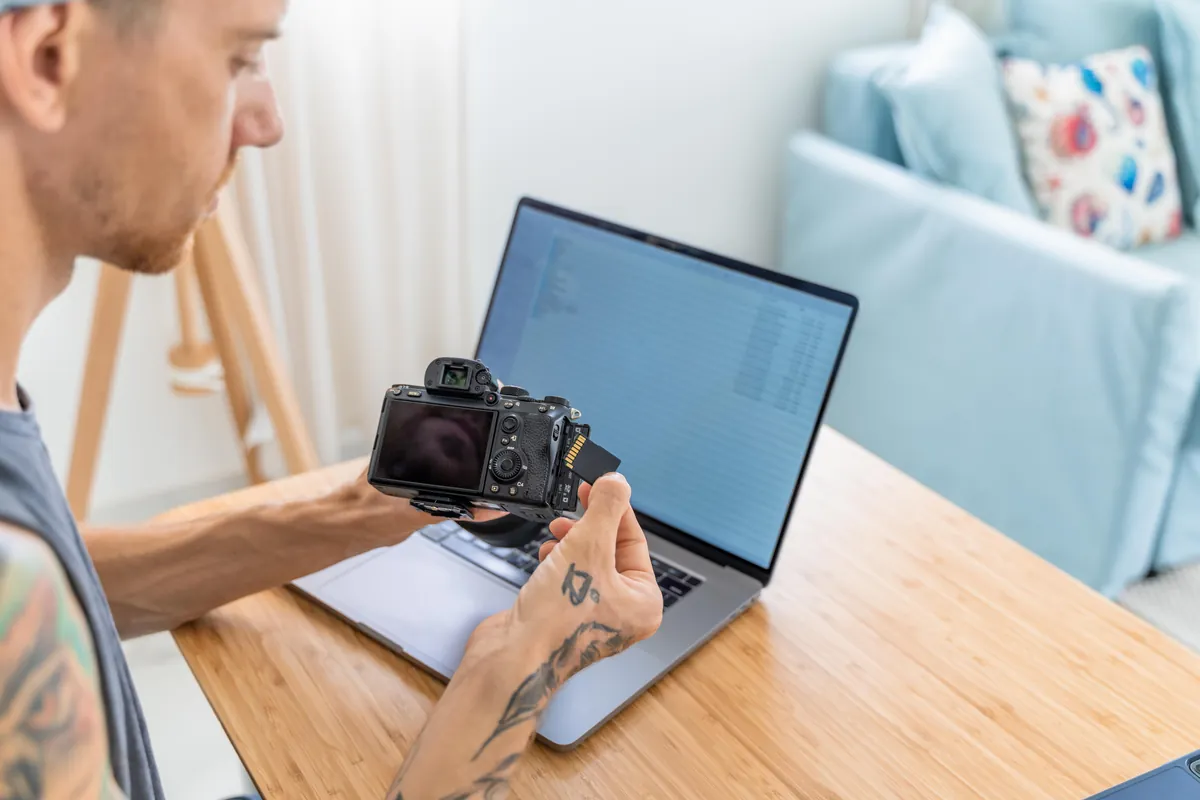
When the people are the message. A founder explaining why the company exists, a team at work, a speaker on stage. Faces, voices and small hesitations build trust in a way drawn shapes rarely do.
When the place matters. A venue, a workplace, a city. If you want someone to come to a place, show them the place.
When proof is the point. A real event, a real product in use, a real result. Showing it happening is more convincing than illustrating it.
When does motion design win?
Motion design wins when the camera has nothing to point at.
When the subject is invisible. Software, data flows, processes, services that happen inside systems. You can film someone at a laptop, but that shows a person at a laptop, not what the service does.
When the idea is abstract. Strategy, change, risk, a new way of working. Motion can turn a concept into a shape that moves, and that is often what makes it click.
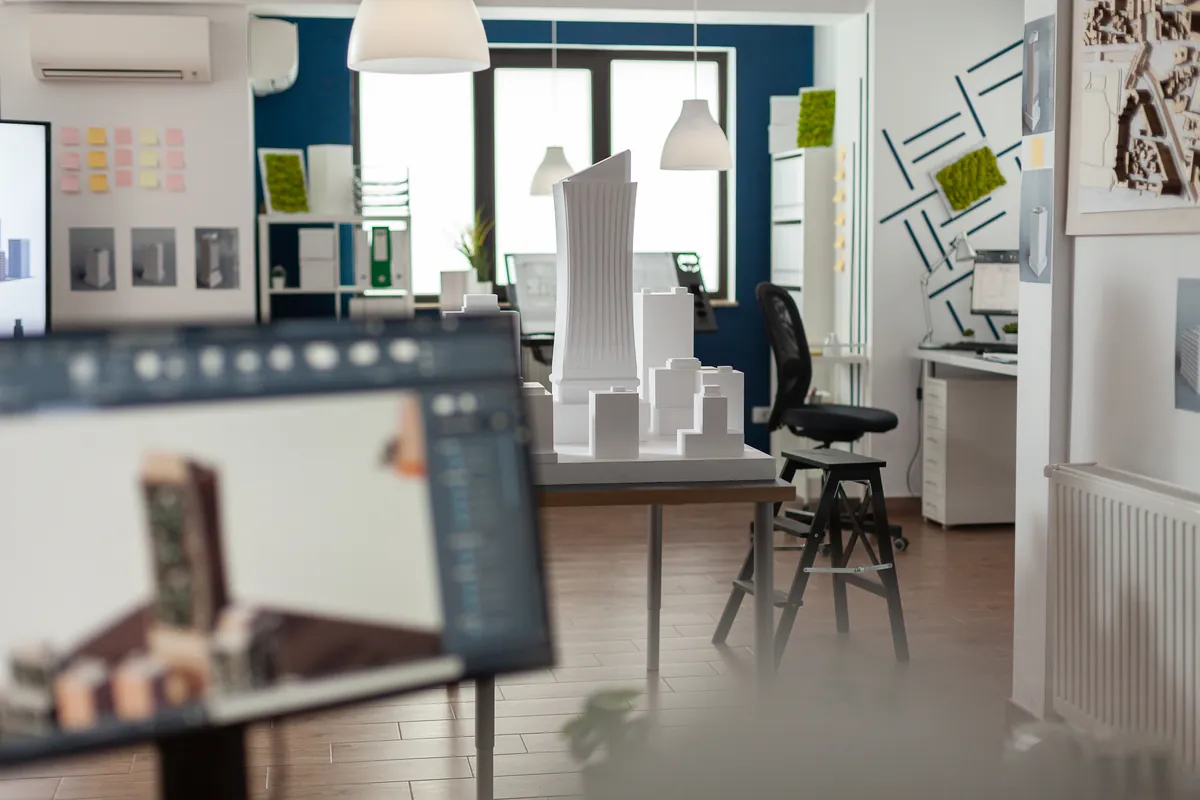
When it changes often or doesn’t exist yet. A product that is still being built, a building that is still a model, numbers that change every quarter. Animation can be updated. A film shoot has to be redone.
Quick guide
Live action
- People are the message
- The place matters
- Proof that it happened
Motion design
- The subject is invisible
- The idea is abstract
- It changes or isn’t built yet
Both
- Trust and explanation in the same film
- Real people, with graphics that show what they mean
Why is the best answer often both?
Because most messages have a human part and an invisible part.
Think of a film about a new digital service. The people who built it, and the people who use it, are best filmed. What the service actually does inside the screen is best animated. Put together, the viewer trusts the people and understands the product.
Mixing works well in event films too. Motion titles, simple diagrams over a speaker’s key point, or an animated summary at the end can make a filmed talk easier to follow and easier to share.
The risk with mixing is that the two parts look like they come from different companies. That is solved with a shared visual language: the same type, colours, rhythm and tone in both.
How do you choose for your own film?
Ask three questions before you decide on format:
- What should the viewer understand or feel afterwards? Write it down in one sentence.
- Can that be filmed? If the answer is in a person’s face or a real place, film it. If it lives in a system, a number or an idea, animate it.
- How often will it change? If parts of the message will be updated soon, animate those parts, or build them as templates.
If the answers point in different directions, that is a sign you need both.
What does the process look like?
The steps are similar whichever way you go, and the early ones matter most.
From idea to finished film
- Message. One sentence about what should change for the viewer.
- Script. What is said, and what is shown when it is said.
- Storyboard. Key frames that decide what is filmed and what is animated.
- Style. Type, colour and movement that match the brand.
- Production. Filming, animation, sound and captions.
The script and storyboard usually decide the timeline more than the animation. Changing a sentence in a script takes minutes. Changing it after animation can take days.
Can motion design be reused?
Yes, and this is where it keeps working long after the first film. Formats that come back again and again, such as speaker name titles, quote cards or short social clips, can be built as templates.
The team then updates text and images themselves, and everything stays on brand. The production effort goes into the system once, not into every single clip.
Frequently asked questions
What is motion design?
Motion design is graphic design that moves: type, shapes, icons, diagrams and brand elements animated to explain or emphasise something. It is often used for explainers, titles, social clips and brand elements.
What is the difference between motion design and animation?
Animation is the wider field and includes character animation and 3D film. Motion design is the part closest to graphic design and communication, where the goal is usually to make information clear.
When should you choose an animated film over live action?
When the subject is invisible, abstract, not built yet or changes often. Choose live action when the message depends on real people, real places or trust.
How long does an animated explainer take to make?
It depends on length, style and how settled the message is. The script and storyboard usually decide the timeline more than the animation itself, so settle those early.
Can motion design be built as templates the team updates themselves?
Yes. Recurring formats like lower thirds, quote cards, title cards or short social clips can be built as templates in the team’s own tools, so they stay on brand without a new production each time.
If you are deciding between filming and animating, write to me at hello@peymansabri.com and we can look at it together.